


Ouarzazate
 6. Januar 2020 in Marokko ⋅ ☀️ 59 °F


Dimitri Restraurant
6. Januar 2020 in Marokko ⋅ 🌙 54 °F
Handed down from father to son since 1928. The oldest restaurant in Africa.
The walls are decorated with photographs of many actors who have dined here while filming.


Argan
7. Januar 2020 in Marokko ⋅ ☀️ 34 °F
W e’ll also stop along the way to break up the drive and meet with the local members of a Women’s Argan cooperative.


Drive to Marrakesh
7. Januar 2020 in Marokko ⋅ ☀️ 39 °F
We travel through the High Atlas Mountains today en route to Marrakesh. During the drive of about ive hours, we’ll pause high above narrow green valleys to take in spectacular views.


Drive to Marrakesh 1
7. Januar 2020 in Marokko ⋅ ☀️ 50 °F


Ryad Art Place Lunch
7. Januar 2020 in Marokko ⋅ ☀️ 64 °F


Ryad Art Palace
7. Januar 2020 in Marokko ⋅ ☀️ 64 °F


Ryad Art Place
7. Januar 2020 in Marokko ⋅ ☀️ 64 °F


Marakesch Medina
7. Januar 2020 in Marokko ⋅ ☀️ 63 °F


Marrakesh Koutoubia Minaret
7. Januar 2020 in Marokko ⋅ ☀️ 63 °F
Mosque built in 1149
Koutoubia Mosque is the largest mosque in Marrakesh, Morocco. The mosque's name is also variably rendered as Jami' al-Kutubiyah, Kutubiya Mosque, Kutubiyyin Mosque, and Mosque ofWeiterlesen


Marrakech Carriage Ride
7. Januar 2020 in Marokko ⋅ ☀️ 61 °F
We’ll explore the legendary city of Marrakesh in a traditional horse-drawn caleche to enjoy the sunset and city squares


Marrakesh Medina
7. Januar 2020 in Marokko ⋅ ☀️ 61 °F
Marrakesh and its medina can be dusty and crowded. It is also home to a wide variety of people from vendors to beggars. You’ll likely witness the local poverty, which may be diicult to see. TheWeiterlesen


Gueliz
7. Januar 2020 in Marokko ⋅ ☀️ 61 °F


Marakesch Mosque at Sunset
7. Januar 2020 in Marokko ⋅ 🌙 59 °F


Ryad Art Place
7. Januar 2020 in Marokko ⋅ 🌙 41 °F


Bahia Palace
8. Januar 2020 in Marokko ⋅ ☀️ 43 °F
The Bahia Palace is a palace and a set of gardens located in Marrakesh, Morocco. It was built in the late 19th century, intended to be the greatest palace of its time. The name means "brilliance". AsWeiterlesen


Bahia Palace
8. Januar 2020 in Marokko ⋅ ☀️ 43 °F
Bahia Palace is considered one of the grand palaces of the Moroccan city of Marrakech, or what is called the Red City. Created by Minister Ahmed bin Musa, in the 19th century, to commemorate the nameWeiterlesen


Bahia Palace 1
8. Januar 2020 in Marokko ⋅ ☀️ 45 °F
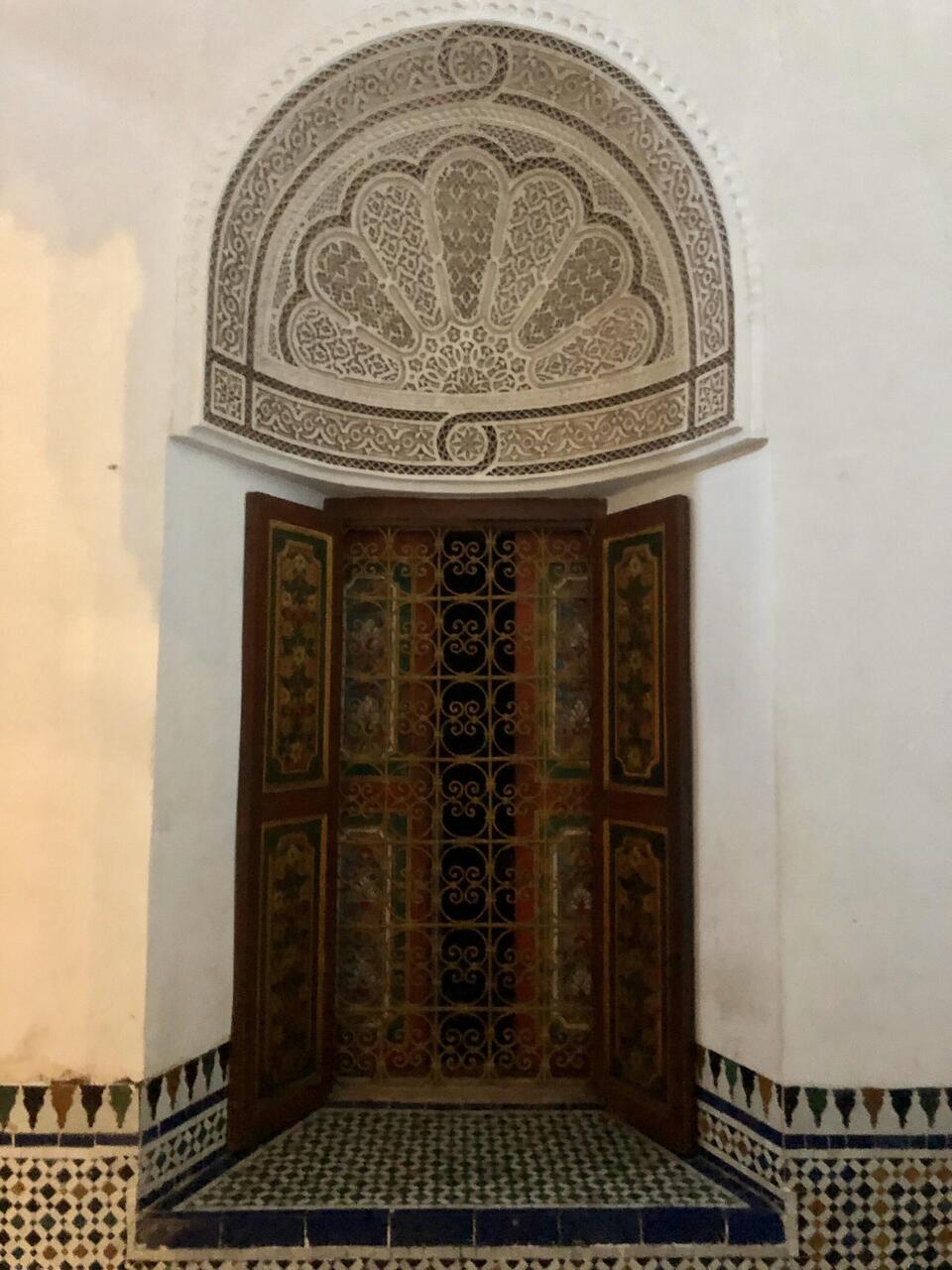
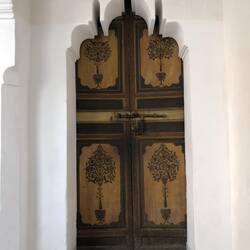
Bahia Palace is a cluster of compact houses and outbuildings with different sizes and no preestablished order. It was built in two phases over an area of around 8 hectares in the second half of theWeiterlesen


Bahia Palace 2
8. Januar 2020 in Marokko ⋅ ☀️ 45 °F
The Bahia Palace, meaning brilliance in Arabic, is perhaps one of the best-preserved historical sites and certainly most interesting in Marrakech. Built between 1866 and 1867 by Si Moussa, thisWeiterlesen


Bahia Palace 3
8. Januar 2020 in Marokko ⋅ ☀️ 45 °F


Bahia Palace Hamman
8. Januar 2020 in Marokko ⋅ ☀️ 46 °F


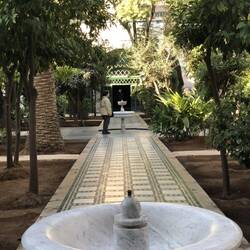
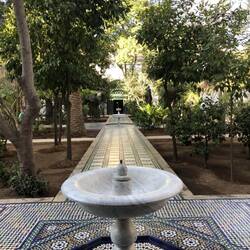
Bahia Palace Garden
8. Januar 2020 in Marokko ⋅ ☀️ 46 °F
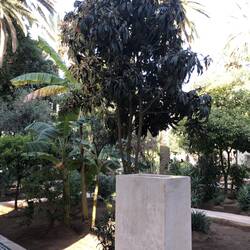
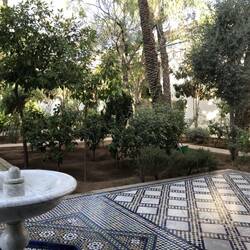
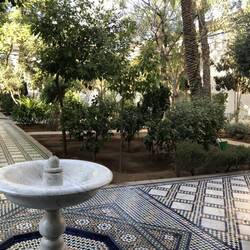
El Bahia Palace, literally ‘the palace of the lady’, built in the Arab-Andalusian style is one of the masterpieces of Moroccan architecture, housing 8 hectares of lush interior gardens delicatelyWeiterlesen


Bahia Palace 4
8. Januar 2020 in Marokko ⋅ ☀️ 48 °F
The Noble Wife’s Apartment
The construction of this part completed in 1898, and it includes two rooms and two niches, opening up onto an indoor covered area with a flat ceiling made of cedar woodWeiterlesen


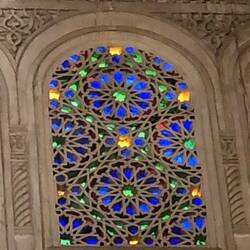
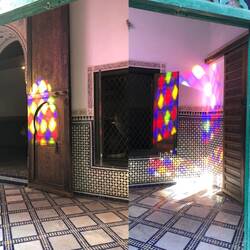
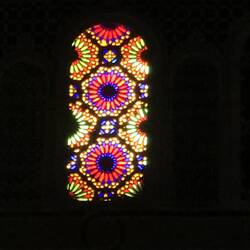
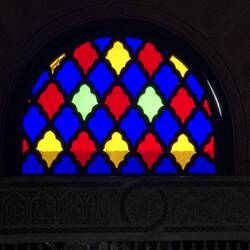
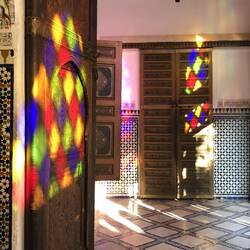
Bahia Palace Stained Glass
8. Januar 2020 in Marokko ⋅ ☀️ 48 °F
Beautifully zellig-tiled fireplaces and floors and colourful stained-glass windows create colourful patterns in the afternoon sun, and beautifully painted and carved cedarwood are just some of theWeiterlesen


Djemaa El Fna
8. Januar 2020 in Marokko ⋅ ☀️ 52 °F
The Djemaa El Fna Translating to “assembly of the dead”—in commemoration of public executions that occurred there in 1050 AD— Djemaa El Fna has taken on somewhat of a paradoxical nature,Weiterlesen