


On our way ...
 June 15, 2016 in South Africa
⛅ 11 °C
June 15, 2016 in South Africa
⛅ 11 °C
Ticket, passport (FINALLY) and we're good to go
1 ✈ down, 1 to go
 June 16, 2016 in Qatar
☀️ 31 °C
June 16, 2016 in Qatar
☀️ 31 °C
In Munich with Elke, Dieter and Noah
 June 16, 2016 in Germany
⛅ 16 °C
June 16, 2016 in Germany
⛅ 16 °C


Glokenspiel @ the Marienplatz
June 17, 2016 in Germany
⛅ 19 °C
On the way to the Hofbrauhaus for dinner....


Time to drink me thinks ....
June 17, 2016 in Germany
⛅ 18 °C


Bikes collected, ready for tomorrow
June 18, 2016 in Germany
☀️ 19 °C
Electric is definitely the way forward... 😊
Cycling Day 1 - 35km
June 19, 2016 in Germany
🌧 14 °C
It's ☔! Oh well at least it won't be too hot and we won't need the Sunscreen 😯.


Passau to Niederranna 35km
 June 19, 2016 in Austria
⛅ 16 °C
June 19, 2016 in Austria
⛅ 16 °C
Rained all the way.... We were soaked by the time we got here 😯
Hoping Day 2 will at least be drier.


Niederranna to Linz... 56.9km
June 20, 2016 in Austria
⛅ 17 °C
Still overcast, but no rain for the 1st 35km. Then it's started to drizzle a little. Fortunately noting like the downpour yesterday! At least my undies were still dry when we got to our hotel 😂


Linz to Aigner Kreuz 68.2km
June 21, 2016 in Austria
⛅ 21 °C
No rain today, but also not too much sun either.
Very pretty ride along the Danube, through farms and quaint little villages.


Aigner Kreuz to Pochlarn - 45.3km
June 22, 2016 in Austria
⛅ 27 °C
Shorter day today.... And the sun is shining.
However, the Austrian's are predicting that the Summer is only 3 days long this year as the rain is due to return by the weekend! 😕


Pochlarn to Krems 45.9km
June 23, 2016 in Austria
☀️ 30 °C
The sun was actually shining when we got up today..that's a first. Took a stroll through Melk before hopping on the bikes and heading to Krems.
Lots of little villages, each with at least 1 churchRead more


Krems to Vienna 42km
June 24, 2016 in Austria
☀️ 32 °C
We made it to Vienna! Half way done with the cycling, the 2nd day of bright sunshine and 32 degrees.
The day began with a 40 minute train trip from Krems to Tulln. Thankfully this shortened theRead more


Vienna to Petronell-Carnuntum 51,6km
June 25, 2016 in Austria
⛅ 32 °C
Got new bikes today for the 2nd half of the cycling. Apparently bikes need to be serviced after 6 days. We covered exactly 300km in 6 days. Who knew 😊
Extremely hot today with a strong windRead more


Petronell-Carnuntum to Bratislava 27.9km
 June 26, 2016 in Slovakia
⛅ 25 °C
June 26, 2016 in Slovakia
⛅ 25 °C
Short cycle day today. Overcast and a lot cooler than yesterday.
Short bumble around the city to take a couple of pictures, including 2 of the famous Bratislava statues.
Tomorrow we head forRead more


Bratislava to Gyor - 40km
 June 27, 2016 in Hungary
🌬 20 °C
June 27, 2016 in Hungary
🌬 20 °C
Easy cycle from Bratislava to Gyor. 40km on the bikes and then a 20 minute train ride.

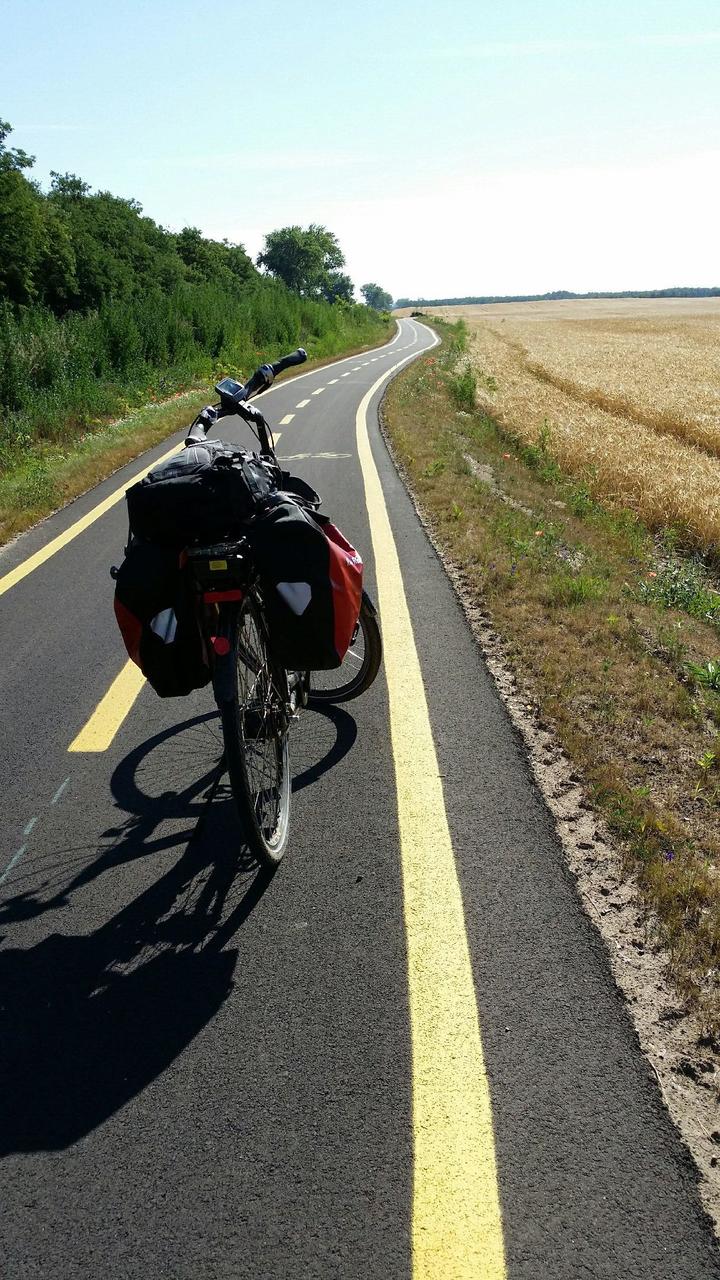

Gyor to Komarno - 50.2km
June 28, 2016 in Slovakia
⛅ 25 °C
Nice cycle through little villages, local forested areas and farms.
Watched one combine harvester cut and collect wheat and another one bale up the "leftovers" for animal feed.
Komarno has 2Read more


Komarno to Esztergom - 57.6 km
June 29, 2016 in Slovakia
☀️ 27 °C
Left Slovakia again and headed back to Hungary.
The cycle paths weren't as new and well maintained and the one we rode on yesterday, but at least we were on a path of sorts and off the main road.Read more


Esztergom to Budapest - 82.2km
June 30, 2016 in Hungary
⛅ 26 °C
So... The final day of cycling arrived and was supposed to be a fairly short easy day. However, it turned into a cycle ALL way to Budapest. In total we've done about 610km in the 12 days. Not too badRead more


Budapest
July 1, 2016 in Hungary
⛅ 29 °C
To the delight of my derrier, we took the Hop On Hop Off Bus today 😊
Budapest is a very pretty city with loads of old buildings and friendly people. The city is made up of 2 parts Buda and Pest.Read more


Budapest Day 2
July 2, 2016 in Hungary
⛅ 31 °C
Today we discovered more of Budapest's treasures.
We crossed the Liberty Bridge and our 1st stop was the Central Market Hall. A large market hall completed in 1896 housing a huge variety of stallsRead more


Budapest to Vienna
July 3, 2016 in Austria
⛅ 19 °C
Took the bus from Budapest to Vienna, so nothing much to report.
Hope to have more to share tomorrow. Doing the Hop On Hop Off bus.


Vienna
July 4, 2016 in Austria
⛅ 24 °C
What a beautiful city! Statues, churches, parks and old buildings with beautiful facades are dotted all around the city. Some of the attractions we visited today ...
St Stephen's Cathedral is theRead more


Vienna Day 2
July 5, 2016 in Austria
⛅ 22 °C
We spent the day bumbling around the city. Mostly going from one coffee stop to the next. Needless to say, I managed to find more churches to visit 😊
Vienna's drinking water originates in theRead more


Vienna back to Munich
July 6, 2016 in Germany
⛅ 15 °C
Headed back to Munich by train. Spending the night with Elke and Dieter, and then we're off to the Brunners.