


Leaving Lovely Nambucca
 2 Nisan 2024, Avustralya ⋅ ☀️ 28 °C
Obligatory deck shot on departure morning. Back in 6 months!


Prep Part 1 - Farewell to Uruguay
 5 Nisan 2024, Uruguay ⋅ ☀️ 27 °C
“The plan” calls for a few days prep before covering a couple of thousand kms West towards the Andes where the trip starts in earnest. We get to have a little time in Montevideo where the ArmyOkumaya devam et


Prep Part 2 - Getting Across Argentina
 9 Nisan 2024, Arjantin ⋅ ☀️ 29 °C
After we leave Uruguay, the target is Argentina’s wine capital, Mendoza, on the edge of the Andes. It’s a few days of solid driving through farm land - which gets increasingly poorer the furtherOkumaya devam et

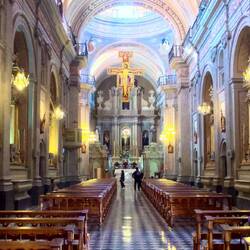
Love the photo in the Brute in the trees and what an enormous and very beautiful cathedral. Just when you think you have seen enough cathedrals along comes another feat of architecture, engineering and artistry. [BunjaCowles]


Mendoza
12 Nisan 2024, Arjantin ⋅ ☁️ 14 °C
Unfortunately, our arrival in Mendoza coincided with the arrival of a (very) early winter storm. Not much precipitation, but cold, overcast days. However, the aim was never outdoor activities, butOkumaya devam et



Off to Chile - Paso Cristo Redentor
 16 Nisan 2024, Şili ⋅ ☁️ -5 °C
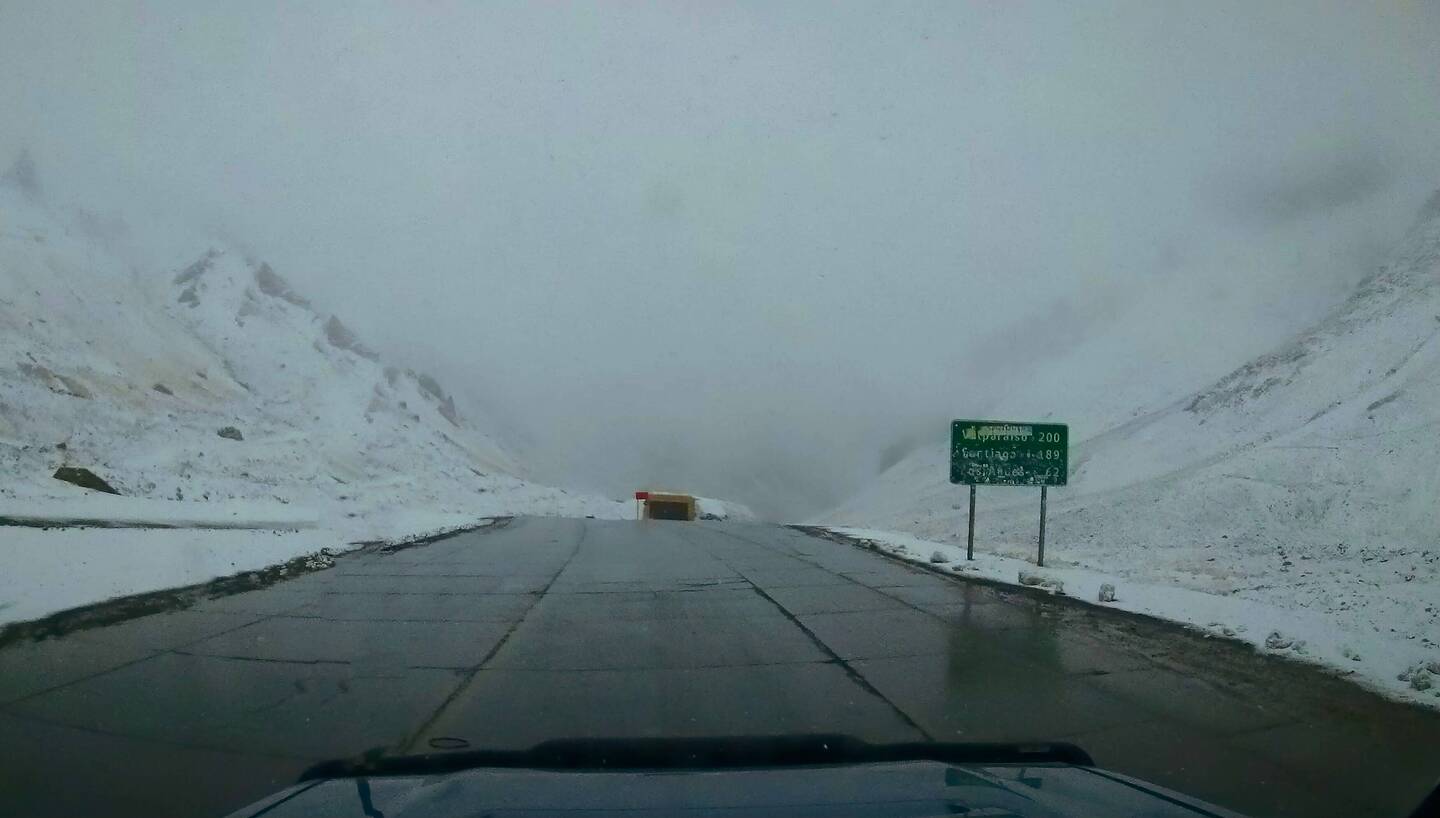
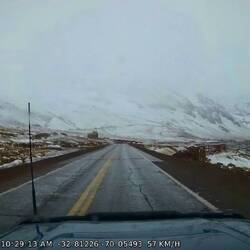
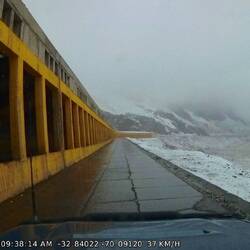
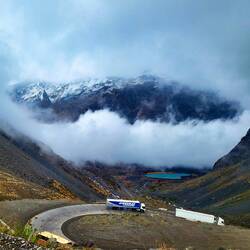
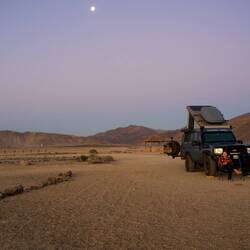
We had an early morning start for the 3 hour drive to the border in order to beat the crowds and lengthy lines for immigration and customs clearance. As is the case for most border crossings betweenOkumaya devam et




Back In Chile
18 Nisan 2024, Şili ⋅ ☀️ 19 °C
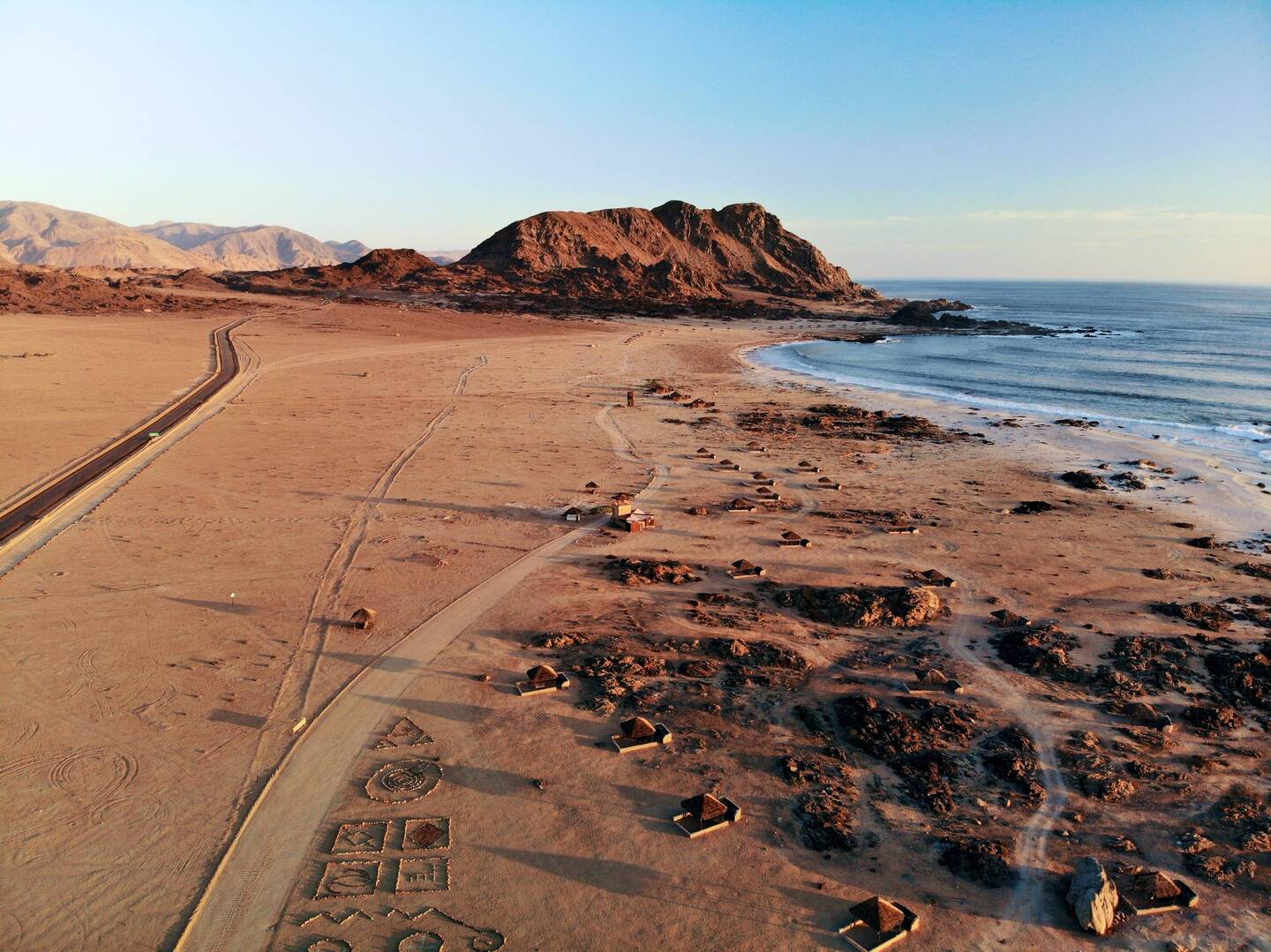
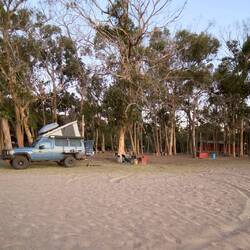
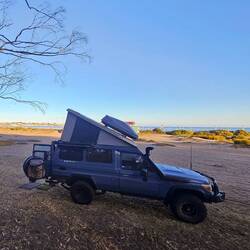
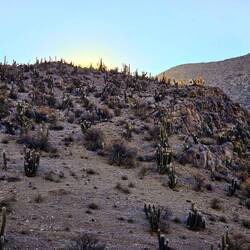
With the pass cleared, we had a problem free, albeit slow, crossing into Chile. The aim - hit the coast, head north, visit some of the inland valleys (and the home of Pisco), then return to ArgentinaOkumaya devam et
GezginWhat chance picking up that bit of steel? Very stark and spectacular photos, highlighted by some great photography. The colours are extraordinary. Is the drone performing well?
GezginThe colours are fantastic. We were having problems with the drone - it wouldn’t calibrate (and this prevented flying). We were all set to throw it in the bin and it came good. Now we just have to start using it more. As for the metal, we think it was attached to a larger piece and snapped off when we ran over it.




Up The Hill We Go
22 Nisan 2024, Şili ⋅ ☀️ 26 °C
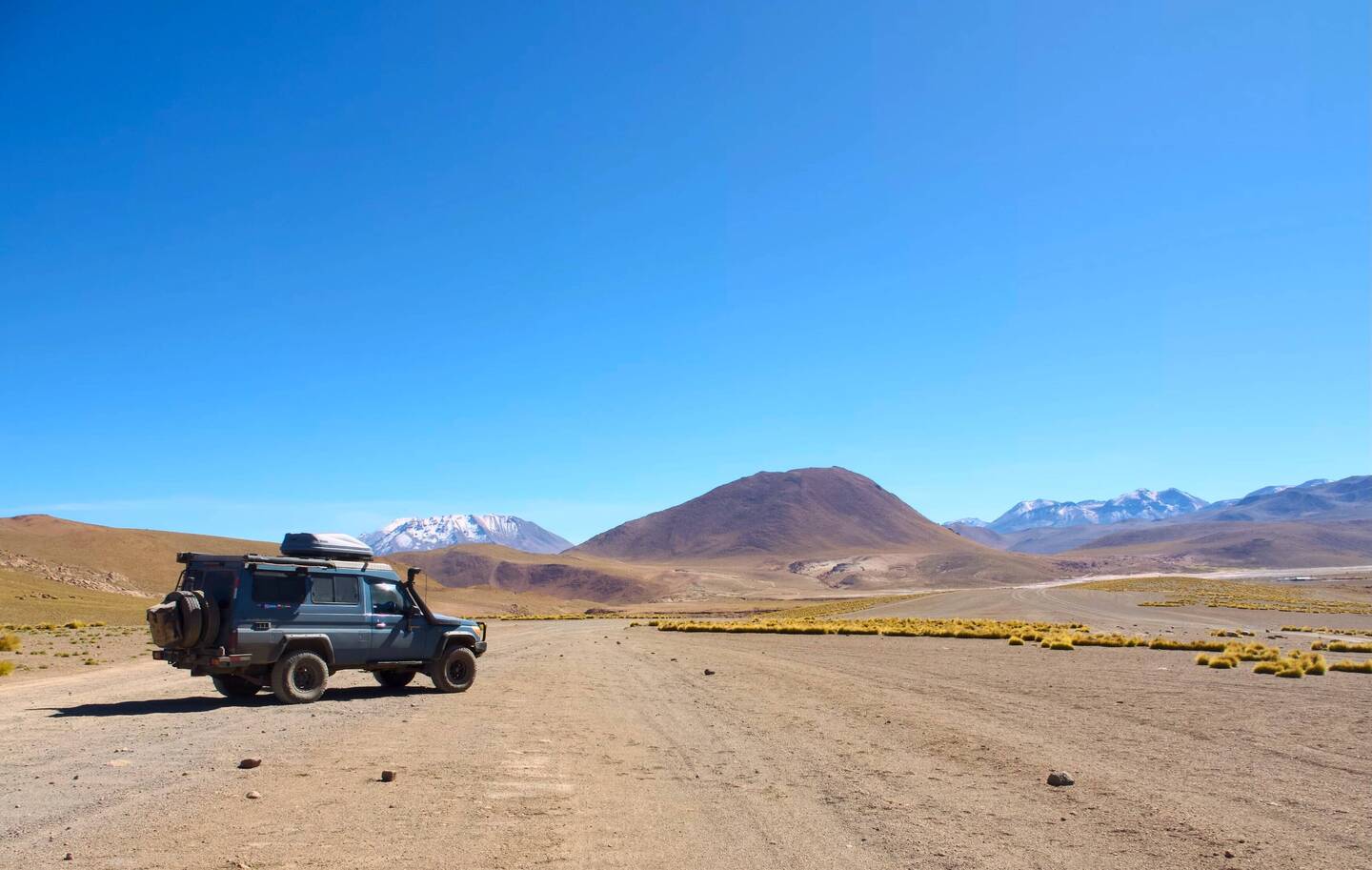
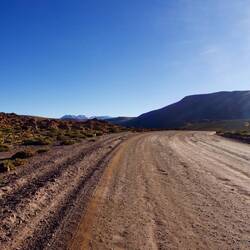
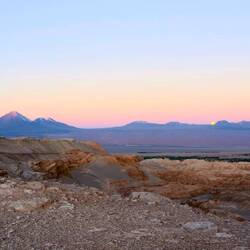
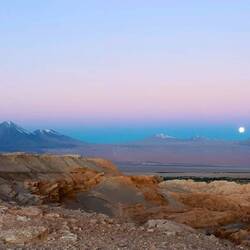
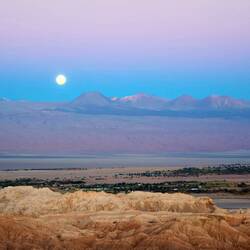
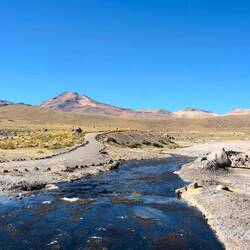
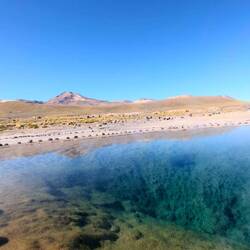
Putting the setbacks behind us and with the tyre repaired, we head inland to the highlands of the Atacama desert. A stunning drive which takes the Troopy over 3,000m again before we arrive at theOkumaya devam et




Farewell Atacama
24 Nisan 2024, Şili ⋅ ☀️ 11 °C
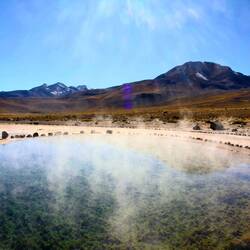
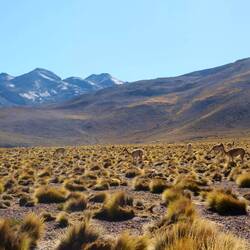
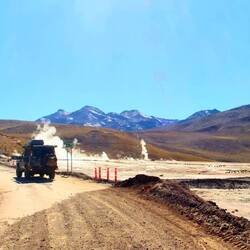
For our final days in the Atacama we explore the town of San Pedro de Atacama with its quaint church (with cactus roof bearings) and the Geysers Del Tatio (in case we needed reminding that this was aOkumaya devam et


Argentina Hills
27 Nisan 2024, Arjantin ⋅ ☀️ 26 °C
After a successful border crossing at Paso Jama, we head across the vast high plans of NW Argentina. After passing the Great Salt Flats (the salt is 1,200m deep), some hard-core mountain towns,Okumaya devam et




Back to the “Big Smoke”
29 Nisan 2024, Arjantin ⋅ ☀️ 26 °C
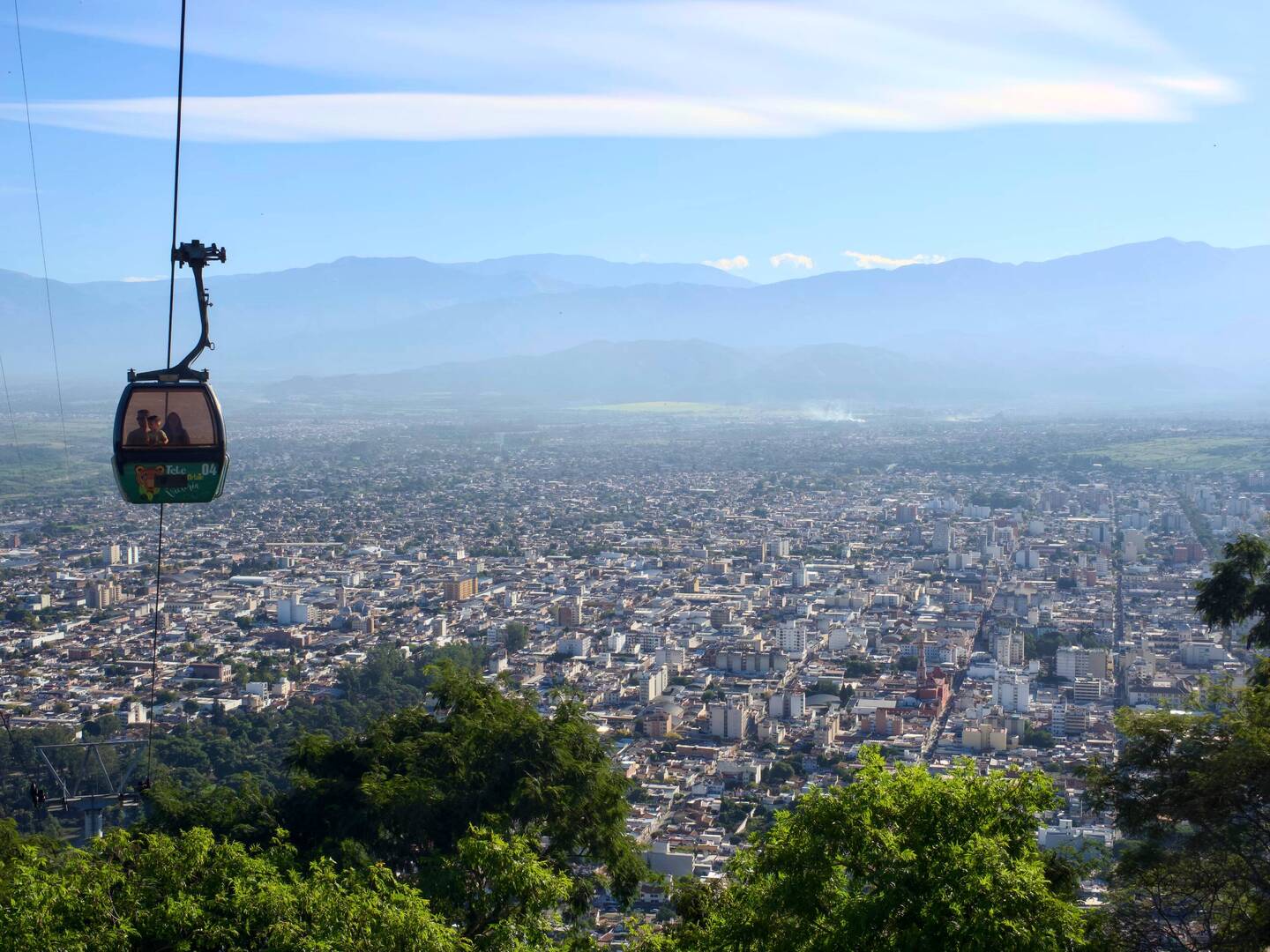
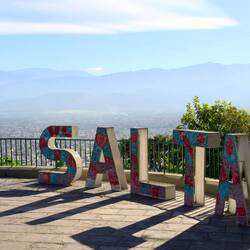
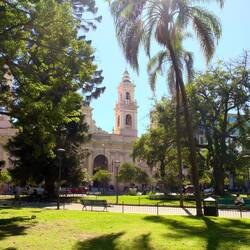
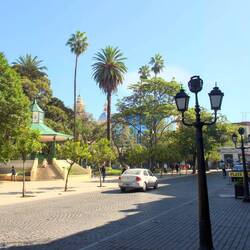
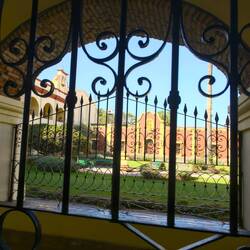
After some time in the high Andes we make our way to the regional city of Salta - one of Argentina’s oldest. We find a good mechanic and get the troopy serviced and inspected and spend a couple ofOkumaya devam et
Looks great and hope you had chance for hot shower and good wifi :) [Cheryl]
GezginBack to the hustle and bustle of a huge city. I wonder how many million people live there. Good to have some admin days and troops service days and get ready for the next part of the adventure. X
Gezgin2 million, with a footprint smaller then coffs. Nth argentina has been lovely


Back to Ruta 40
1 Mayıs 2024, Arjantin ⋅ ⛅ 26 °C
After our time in Salta we headed Westward via the impressive Cuesta de Obispo range and road, surrounded by cactus and amazing views of the Andes. We hit Ruta 40 at its 4,500km mark (from its startOkumaya devam et


More Wine!
3 Mayıs 2024, Arjantin ⋅ ☁️ 26 °C
We’ve grown fond of Argentina wines, so spending a few days in Cafayate, the country’s second wine region, is a treat. The town is pleasant and the wines are good. At the end of our visit it isOkumaya devam et


Northern, North Argentina
7 Mayıs 2024, Arjantin ⋅ 🌬 24 °C
Our last few days in Argentina are spent in the Northern towns of Tilcara and Humahuaca. In this remote corner of the country there is a distinct change in the ethnicity of the locals, with theOkumaya devam et

Gezgin Amazing mountain colours! You missed the silent P at the beginning of that word in your photo!


A New Flag for the Troopy!
9 Mayıs 2024, Arjantin ⋅ ☁️ 21 °C
With a lengthy, albeit uneventful border crossing, we enter Bolivia at Villazon. The Troopy gets a new sticker, we manage to get some Bolivianos (Bobs), and we head to Tupiza.


SW Bolivia - Part 1 - Camino San Antonio
 11 Mayıs 2024, Bolivya ⋅ 🌬 15 °C
We commit to spending a little over a week in Bolivia’s far SW corner. Starting at the regional town of Tupiza, we climb quickly to over 4,200m as we head West through rugged mountain passes andOkumaya devam et


SW Bolivia - Part 2 - Eduardo Avaroa
13 Mayıs 2024, Bolivya ⋅ 🌬 8 °C
For the second part of our SW Bolivia trip we venture into the wild and remote Reserva Nacional de Fauna Andina Eduardo Avaroa which forms the very SW corner of Bolivia. Nothing below 4,200m andOkumaya devam et


SW Bolivia - Part 3 - Salar De Uyuni
15 Mayıs 2024, Bolivya ⋅ ☀️ 17 °C
For the final leg of our SW Bolivia tour we head north, passing through some very tough little mining towns and drop 1,000m to a paltry 3,700m above sea level as we make our way to the world’sOkumaya devam et


Delightful Tarija
17 Mayıs 2024, Bolivya ⋅ ☁️ 21 °C
We have a change of plans based on recommendations and head SW (instead of North) to the regional city of Tarija. As would now seem to be the norm for driving in Bolivia, we cross a couple of epicOkumaya devam et


Silver, Silver, Silver
20 Mayıs 2024, Bolivya ⋅ ☀️ 17 °C
The city of Potosí is our next stop, home of the famous Cerro Rico (Rich Mountain). It is estimated that half of the silver currently in circulation across the world originated from Cerro Rico. MostOkumaya devam et


How Many Capitals?
22 Mayıs 2024, Bolivya ⋅ ☁️ 25 °C
For trivia fans - what’s the capital of Bolivia? La Paz? Yes, and no. La Paz is the seat of government, but Sucre is enshrined in the constitution as the capital. In effect there are two capitals -Okumaya devam et
GezginFabulous pics. Notable buildings, markets, car ornaments, military parades. What the? And cakes. What is with those cakes?


Breathing Easy Again
25 Mayıs 2024, Bolivya ⋅ 🌬 16 °C
We head to Santa Cruz, Bolivia’s largest city, dropping down from the 4,000m plus altiplano to the Eastern reaches of their Amazon plain. Santa Cruz is a large working city. Pleasant enough, with aOkumaya devam et


The Jesuits were Here To!
28 Mayıs 2024, Bolivya ⋅ ☁️ 21 °C
Picking up on a theme from our time in Paraguay and Northern Argentina last year, we head further East to follow the Missionaries Route. These are a collection of small towns - San Jose, San Miguel,Okumaya devam et


The Real Bolivia?
30 Mayıs 2024, Bolivya ⋅ ☁️ 28 °C
The plan was clear - headed back West and up the Andes to the regional city of Cochabamba. We got half way to the farming town of San Julian and got trapped by a farmer’s protest (they blocked allOkumaya devam et
Gezgin Was good to see you got through the roadblock. did you have to negotiate to get to the front of the queue, or did they cheer you on?
GezginFortunately, we were close to the front of the queue, and the locals were very keen for us to give it a try - perhaps a little too keen (which you can be when it’s someone else’s vehicle). I shudder to quick what would have happened if we had got stuck.
I was wondering about that possible situation, too. A gamble which paid off! [Pam]


Not Quite the “Death Road”
2 Haziran 2024, Bolivya ⋅ ☀️ 25 °C
The road from Trinidad to La Paz is a classic drive that takes a few days. Starting at a few hundred metres above sea level we move from Amazon jungle, over a number of increasingly high passes, withOkumaya devam et


La Paz
4 Haziran 2024, Bolivya ⋅ ☀️ 19 °C
Bolivia’s (other) capital, La Paz, runs at a frantic pace. A confusing mixture of old and new, it is crammed into a high valley (at just under 4,000m) that challenges daily commuting. Wealth andOkumaya devam et


GezginWe are looking forward to Round 3!
Gezgin Safe travels.
Enjoy. We are looking forward to sharing your trip via wonderful photos…❤️ [Pam]